
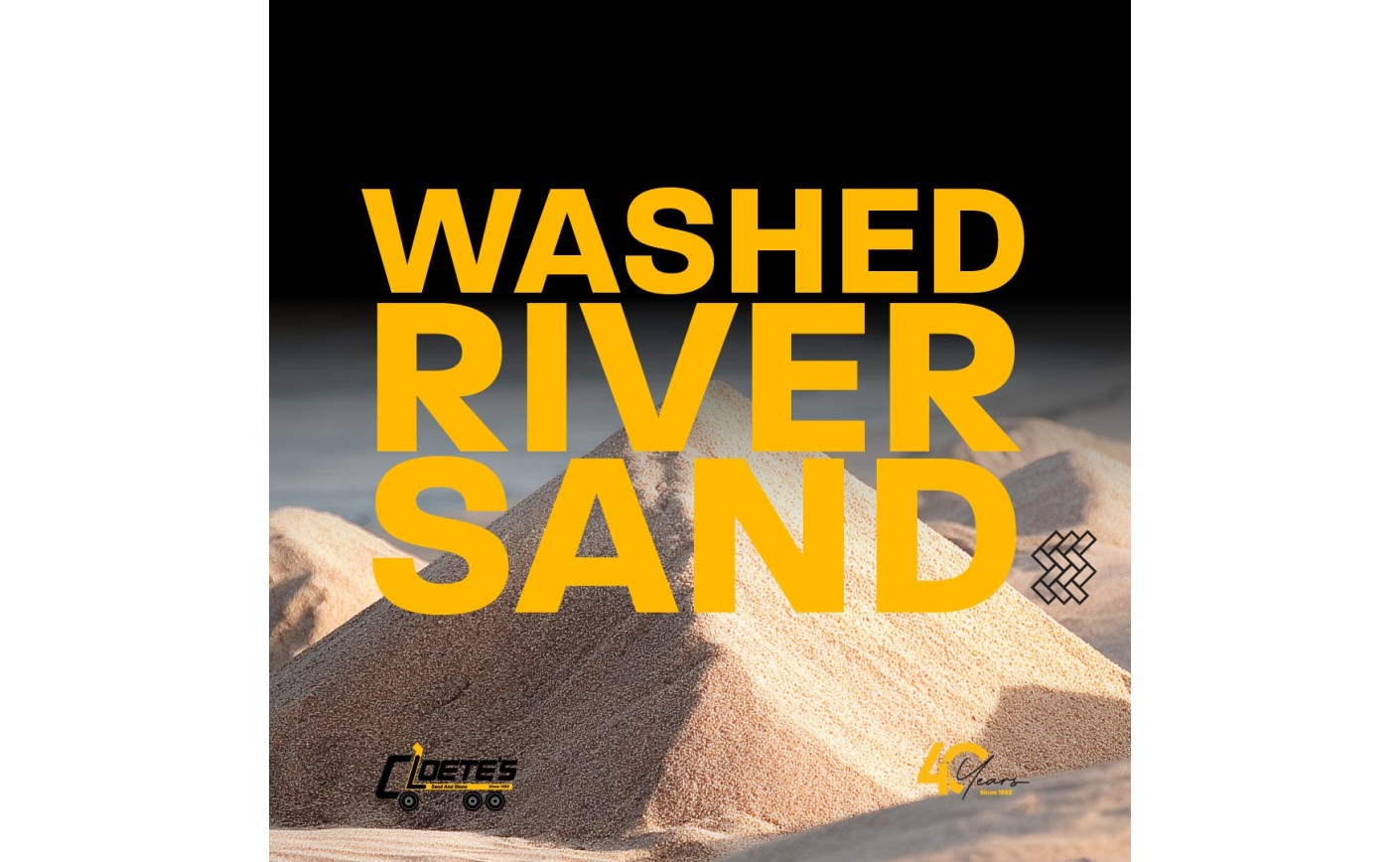
River Sand Gauteng: What It Is, Uses, Quality & Where to Get It
A practical guide for builders, contractors and DIY customers in Gauteng: what river sand is, where it works best (concrete, plastering, paving), how to judge quality (washed, clean, fine, colour) and how delivery typically works in Johannesburg, Pretoria/Tshwane, Midrand, Centurion, Ekurhuleni and the West Rand.
Cloete’s Sand & Stone • Since 1982 | Updated: 18 Feb 2026
Quick answer: River sand is natural, water-worn sand (often washed and screened) used widely for plastering, mortar, paving bedding and many concrete mixes. For best results, choose washed, clean river sand with a consistent, fine-to-medium grading.
If you’re comparing options, focus on cleanliness, grading and consistent supply — not just “sand is sand”.
In this guide
What is river sand?
River sand is naturally occurring sand sourced from riverbeds and riverbanks. The grains have been shaped by moving water over time, so they’re typically smooth and rounded. In building work, river sand is valued because it’s workable, mixes well with cement and can produce a clean, neat finish when the sand is properly washed and screened.
What is river sand used for?
What is river sand used for?
People search for river sand uses because it covers a lot of site work. Below are the most common Gauteng applications, plus what to look out for so you don’t get avoidable defects later.
River sand for plastering
Fine, clean river sand helps produce a smoother finish and more consistent trowel feel.
- Prefer washed river sand for better bonding and fewer impurities.
- Consistent grading reduces over-watering and shrinkage cracking risk.
River sand for concrete
River sand is used as the fine aggregate in many concrete mixes, helping fill voids between stone and improving workability.
- Choose clean sand (low clay/silt) to avoid weakening the mix.
- Match sand grading to the job (too fine can increase cement demand; too coarse can reduce finish quality).
River sand for paving
Often used as a bedding layer under pavers and sometimes for joint filling (depending on paving type and spec).
- Use a consistent grading for easier levelling and compaction.
- For joints, follow your paver spec (some require jointing sand/polymeric sand).
River sand for construction (general)
River sand is widely used for mortar, screeds and general site mixing because it’s easy to handle and spreads well.
- Washed + screened = fewer surprises (debris, organics, excessive fines).
- Consistency matters most when you need repeatable results across multiple loads.
River sand and cement mix (practical tips)
Searches like river sand cement mix usually come from site teams trying to avoid mixes that are too wet, too harsh or inconsistent from one batch to the next. While final ratios should follow your engineer/spec, these practical tips improve outcomes on typical building work:
| Application | Why river sand works | On-site tip |
|---|---|---|
| Plastering | Fine texture supports smoother finishes. | Add water gradually; avoid “soupy” mixes that increase shrinkage. |
| Bricklaying mortar | Workable and easy to spread. | Keep batches consistent; don’t retemper once setting starts. |
| Concrete mixes | Fills voids between stone; improves workability. | Use clean sand; excessive silt/clay can reduce strength. |
| Screeds / bedding | Levels well and compacts evenly when graded right. | Moisture control is key: slightly damp compacts best. |
River sand vs building sand and plaster sand
Comparison searches are common — building sand vs river sand, river sand vs plaster sand and sharp sand vs river sand. Here’s a simple, practical breakdown.
| Sand type | Texture | Best used for | Choose it when… |
|---|---|---|---|
| River sand | Smooth, rounded grains (often washed/screened) | Plastering, mortar, paving bedding, many concrete mixes | You want a cleaner sand and consistent workability |
| Building sand | Often coarser; may contain more fines/clay | General mortar / bricklaying (depending on spec) | You need a general-purpose sand and finish quality is less critical |
| Plaster sand | Fine and consistently graded | Smooth plaster finishes | You need predictable finishing and low shrinkage risk |
| Sharp sand | Angular, coarser | Some concrete / screeds / drainage applications | You want bite/locking from angular particles |
| M sand (manufactured) | Crushed stone fines; angular and controlled grading | Concrete/mortar depending on spec | You want factory-controlled grading (confirm suitability for plaster finish) |
River sand quality: colour, washed, clean & fine
Quality searches like washed river sand, fine river sand, clean river sand and river sand colour usually mean one thing: people want sand that performs consistently and doesn’t cause cracks, weak bonding or dirty finishes.
Washed river sand
Clean river sand
Fine river sand
River sand colour
Quick on-site check (simple jar test)
If you’re unsure about a load, this quick check can help identify excess silt/clay:
- Half-fill a clear jar with sand and add clean water.
- Shake well and let it settle for 30–60 minutes.
- If you see a thick, cloudy layer sitting above the sand, that may indicate higher fines/silt content.
River sand delivery Gauteng & where to buy
Searches like river sand delivery, river sand suppliers and where to buy river sand near me are usually urgent — the crew is waiting and the project can’t stall. Cloete’s supplies river sand across Gauteng, including:
- Johannesburg (surrounding areas included)
- Pretoria / Tshwane
- Midrand and Centurion
- Ekurhuleni (East Rand)
- West Rand
Ordering note: Delivery is typically arranged in load sizes that suit your site access and quantity needs (for example, a ±3 m³ small tipper load for tighter access).
To see the current price and order options, visit the product page: River Sand.
River Sand (Gauteng) — FAQs
Is river sand good for plastering?
Can I use river sand for concrete?
What’s the difference between river sand and building sand?
What does “washed river sand” mean?
What colour should river sand be?
Do you deliver river sand across Gauteng?
I searched “riversand” — is that the same thing?
How do I know if my sand is too silty?
Note: This guide is educational. Always follow your engineer’s mix design/spec for structural work and confirm sand suitability for your application.


Leave a Reply Cancel Reply